Buy امام.com ?
We are moving the project
امام.com .
Are you interested in purchasing the domain
امام.com ?
domain@kv-gmbh.de · 0541-91531010
Buy امام.com ?
What are Transylvanian Saxons?
Transylvanian Saxons are a group of ethnic Germans who settled in the region of Transylvania, which is now part of Romania, during the Middle Ages. They were invited to Transylvania by Hungarian kings to help develop the region and defend it against invasions. The Transylvanian Saxons played a significant role in the cultural, economic, and architectural development of the region, and their influence can still be seen in the area today. Many Transylvanian Saxons emigrated to Germany in the late 20th century, but there are still some communities of Transylvanian Saxons living in Romania. **
Which adjectives describe us Saxons?
The Saxons are often described as resilient, independent, and resourceful. They were known for their strong warrior culture and their ability to adapt to new environments. Additionally, they were seen as fiercely loyal to their communities and had a strong sense of identity and pride in their heritage. **


Similar search terms for Saxons
Top-Angebote
Products related to Saxons:
-
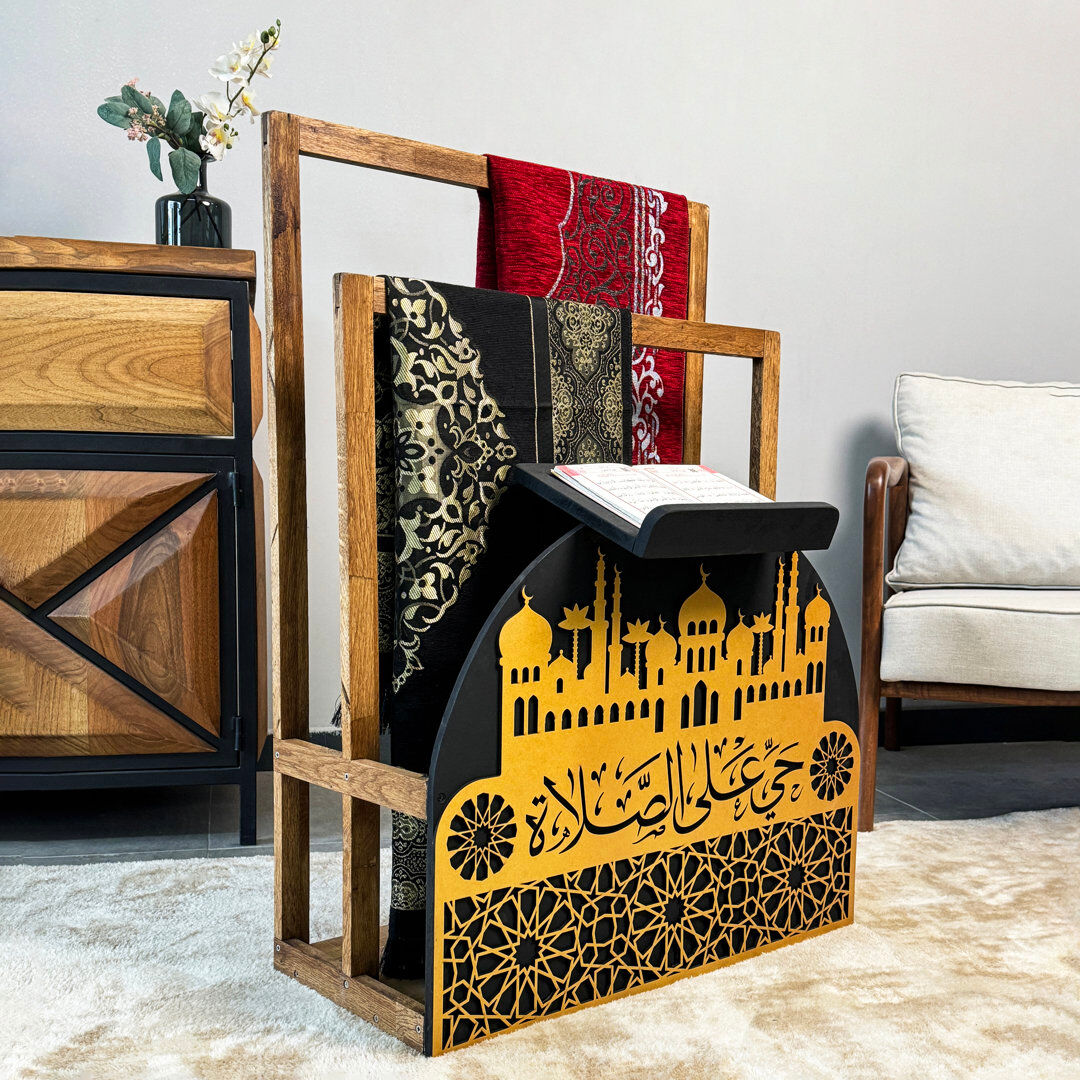
Astoria Grand Premium Wooden Quran Stand With Prayer Mat Storage – Islamic Prayer Rack & Home Decor Gold;Brown;Black 89cm H X 66cm W X 30cm DThis wooden Quran stand with integrated prayer mat storage offers a practical and decorative solution for organising your daily prayer essentials. Crafted entirely from natural wood, the piece combines durability with a warm, traditional look suitable for any home prayer corner. The structure features a solid spruce base for stability, solid oak hangers designed to hold multiple prayer mats, and an intricately crafted wooden front panel with Islamic motifs in a gold-inspired finish. The angled top shelf provides a comfortable reading position for the Quran, helping create a calm and organised prayer environment. With its natural wood tones — including brown, black and warm yellow accents — this stand blends easily with a variety of interior styles. Its smooth, polished surface enhances the overall appearance while requiring minimal maintenance. Simply wipe with a dry cloth; avoid water, alcohol or harsh chemicals to preserve the finish. Ideal for living rooms, bedrooms, and dedicated prayer spaces, this piece brings both functionality and a meaningful decorative touch to your home. Dimensions (W × L × H): 11.8" × 26" × 35.43" (30 × 66 × 89 cm) Material: Solid wood (spruce, oak, processed decorative wood) Colour: Natural wood (brown, black, yellow tones) Care: Dry cloth only; avoid water, alcohol and chemicals Brand Name: Astoria Grand.175,99 £*Shipping: 0,00 £Secure redirect to the provider
-
Inspire Curations Islamic Style Car Hanging Ornament Elegant Faith Inspired Rearview Mirror Accessory blackBring elegance, spirituality, and meaningful style to your vehicle with this beautifully crafted Islamic Car Hanging Ornament designed to enhance your driving experience with faithinspired dcor. Featuring an artistic Islamicstyle design with refined...53,00 $*Shipping: 0,00 $Secure redirect to the provider
-
Inspired Finds Islamic Car Hanging Ornament Elegant Faith Inspired Rear View Mirror Decor greenBring a sense of peace, spirituality, and refined style to every journey with this beautifully crafted Islamic car hanging ornament. Designed with elegant Islamic art influences, this hanging accessory adds meaningful decoration to your vehicle...34,99 $*Shipping: 0,00 $Secure redirect to the provider



-
What are the Anglo-Saxons?
The Anglo-Saxons were a group of Germanic tribes who migrated to England from the 5th century onwards. They were known for their language, Old English, and their culture, which included pagan beliefs and warrior society. The Anglo-Saxons eventually established several kingdoms in England and had a significant impact on the country's language, culture, and political structure. Their influence can still be seen in modern English language and literature. **
-
Why are the Saxons so rebellious?
The Saxons may be rebellious due to a combination of historical, cultural, and political factors. Historically, the Saxons have a long tradition of independence and resistance to outside authority, dating back to their conflicts with the Roman Empire and later with the Frankish Empire. Culturally, the Saxon people have a strong sense of identity and pride in their heritage, which can lead to resistance against perceived threats to their way of life. Additionally, political factors such as perceived injustices, lack of representation, or economic hardship can also contribute to a rebellious attitude among the Saxons. **
-
Did the English descend from the Saxons?
The English people are descended from a mix of different groups, including the Saxons, Angles, and Jutes who migrated to Britain from what is now Germany and Denmark in the 5th and 6th centuries. These groups intermingled with the existing Celtic population and over time formed the basis of the English population. While the Saxons were a significant part of this mix, the English people's ancestry is not solely derived from the Saxons. **
-
Are the Saxons really such bad people?
The characterization of the Saxons as "bad people" is a complex and nuanced issue. While historical accounts and literature may depict them as aggressive and warlike, it's important to consider the context in which these portrayals were created. The Saxons were a Germanic people who clashed with the Roman Empire and later with the invading Normans, and their actions must be understood within the broader historical and cultural context of the time. It's also important to recognize that historical narratives are often shaped by the perspectives of the writers, and may not always provide a complete or accurate picture of the Saxons as a people. **


Which Saxons do you mean that are with King Arthur?
The Saxons referred to here are those who have joined King Arthur's court and army, either through alliances or through conquest. These Saxons have chosen to align themselves with King Arthur and fight alongside him, rather than against him. They may have been won over by Arthur's leadership, charisma, or military prowess, or they may have been brought into the fold through diplomacy or force. Regardless of the circumstances, these Saxons are now part of King Arthur's forces and contribute to his efforts in various ways. **
Does Anglo-Saxon have anything to do with the Saxons?
Yes, Anglo-Saxon does have something to do with the Saxons. The term "Anglo-Saxon" refers to the people who lived in England from the 5th century until the Norman Conquest in 1066. The Anglo-Saxons were descended from Germanic tribes, including the Saxons, who migrated to Britain from the European continent. The term "Anglo-Saxon" is a combination of "Angles" and "Saxons," two of the main Germanic tribes that settled in England during this time period. **
Top-Angebote
Products related to Saxons:
-
Hutchinson The Anglo-Saxons: A History of the Beginnings of EnglandTitle:. The Anglo-Saxons: A History of the Beginnings of England Overview:. Step into the making of England with this accessible, authoritative exploration of the Anglo-Saxons—the peoples whose migrations and kingdoms laid the foundations for the nation we know today. Beginning with the waning years of Roman rule and moving through the wave of migrations that reshaped the island, this history unpacks how disparate communities coalesced into enduring political and cultural structures. You’ll trace the rise of influential kingdoms such as Wessex, Mercia, Northumbria, and East Anglia, and see how kings, bishops, and local communities negotiated power, law, and faith in a formative era. The narrative blends political milestones with social history, shining a light on everyday life—from farmsteads and markets to monasteries that became engines of learning. Clear, chronological storytelling helps readers grasp why these centuries mattered: how language began to take shape, how Christian belief transformed communities, and how legal and administrative ideas emerged that would echo for centuries. The book situates the Anglo-Saxon era within a broader Atlantic world—highlighting trade, cultural exchange, and contact with neighboring peoples. For curious readers, students, and history lovers, this volume offers a solid, engaging foundation for understanding the roots of England and the long arc of its subsequent history. What Makes This Book Stand Out:. Unlike a dry chronology, this history foregrounds human stories as the engine of historical change. It weaves together archaeology, place-names, contemporary texts, and careful analysis to present a cohesive picture of a dynamic period. The author (or editors) guide you through the key questions: who held power, how communities organized themselves, and why belief systems shifted so dramatically. The writing balances accessible prose with rigorous sourcing, inviting readers to think critically about how evidence is interpreted while remaining engaging for both newcomers and seasoned history enthusiasts. You’ll gain a nuanced understanding of how political boundaries evolved, how language and law formed a shared identity, and how cultural exchanges—within Britain and across the North Sea—shaped the earliest chapters of English history. This is a history that emphasizes context and consequence, helping you connect distant events to the England we know today. Who This Book Is Perfect For:. This is a must-have for anyone curious about the origins of England and the long arc of British history. It suits students studying early medieval Britain, medieval history, or archaeology, as well as general readers who enjoy a clear, well-structured narrative. If you’re seeking a solid, reliable introduction to the Anglo-Saxon world—its kingdoms, faith, daily life, and cultural legacy—this book is a perfect companion. It also makes a thoughtful gift for history buffs, educators, and keen readers who want a comprehensive,...25,00 £*Shipping: 2,99 £Secure redirect to the provider
-
The End of Faith: Religion, Terror, and the Future of Reason by Sam HarrisDescription. This important and timely book delivers a startling analysis of the clash of faith and reason in today's world. Sam Harris offers a vivid historical tour of mankind's willingness to suspend reason in favour of religious beliefs, even when those beliefs are used to justify harmful behaviour and sometimes heinous crimes. He asserts that in the shadow of weapons of mass destruction, we can no longer tolerate views that pit one true god against another. Most controversially, he argues that we cannot afford moderate lip service to religion -- an accommodation that only blinds us to the real perils of fundamentalism. While warning against the encroachment of organised religion into world politics, Harris also draws on new evidence from neuroscience and insights from philosophy to explore spirituality as a biological, brain-based need. He calls on us to invoke that need in taking a secular humanistic approach to solving the problems of this world.. Title. The End of Faith: Religion, Terror, and the Future of Reason by Sam Harris. Delivery. Content. Reviews6,99 £*Shipping: 2,99 £Secure redirect to the provider
-
Astoria Grand Premium Wooden Quran Stand With Prayer Mat Storage – Islamic Prayer Rack & Home Decor Gold;Brown;Black 89cm H X 66cm W X 30cm DThis wooden Quran stand with integrated prayer mat storage offers a practical and decorative solution for organising your daily prayer essentials. Crafted entirely from natural wood, the piece combines durability with a warm, traditional look suitable for any home prayer corner. The structure features a solid spruce base for stability, solid oak hangers designed to hold multiple prayer mats, and an intricately crafted wooden front panel with Islamic motifs in a gold-inspired finish. The angled top shelf provides a comfortable reading position for the Quran, helping create a calm and organised prayer environment. With its natural wood tones — including brown, black and warm yellow accents — this stand blends easily with a variety of interior styles. Its smooth, polished surface enhances the overall appearance while requiring minimal maintenance. Simply wipe with a dry cloth; avoid water, alcohol or harsh chemicals to preserve the finish. Ideal for living rooms, bedrooms, and dedicated prayer spaces, this piece brings both functionality and a meaningful decorative touch to your home. Dimensions (W × L × H): 11.8" × 26" × 35.43" (30 × 66 × 89 cm) Material: Solid wood (spruce, oak, processed decorative wood) Colour: Natural wood (brown, black, yellow tones) Care: Dry cloth only; avoid water, alcohol and chemicals Brand Name: Astoria Grand.175,99 £*Shipping: 0,00 £Secure redirect to the provider
-
What are Transylvanian Saxons?
Transylvanian Saxons are a group of ethnic Germans who settled in the region of Transylvania, which is now part of Romania, during the Middle Ages. They were invited to Transylvania by Hungarian kings to help develop the region and defend it against invasions. The Transylvanian Saxons played a significant role in the cultural, economic, and architectural development of the region, and their influence can still be seen in the area today. Many Transylvanian Saxons emigrated to Germany in the late 20th century, but there are still some communities of Transylvanian Saxons living in Romania. **
-
Which adjectives describe us Saxons?
The Saxons are often described as resilient, independent, and resourceful. They were known for their strong warrior culture and their ability to adapt to new environments. Additionally, they were seen as fiercely loyal to their communities and had a strong sense of identity and pride in their heritage. **
-
What are the Anglo-Saxons?
The Anglo-Saxons were a group of Germanic tribes who migrated to England from the 5th century onwards. They were known for their language, Old English, and their culture, which included pagan beliefs and warrior society. The Anglo-Saxons eventually established several kingdoms in England and had a significant impact on the country's language, culture, and political structure. Their influence can still be seen in modern English language and literature. **
-
Why are the Saxons so rebellious?
The Saxons may be rebellious due to a combination of historical, cultural, and political factors. Historically, the Saxons have a long tradition of independence and resistance to outside authority, dating back to their conflicts with the Roman Empire and later with the Frankish Empire. Culturally, the Saxon people have a strong sense of identity and pride in their heritage, which can lead to resistance against perceived threats to their way of life. Additionally, political factors such as perceived injustices, lack of representation, or economic hardship can also contribute to a rebellious attitude among the Saxons. **
Similar search terms for Saxons
-
Inspire Curations Islamic Style Car Hanging Ornament Elegant Faith Inspired Rearview Mirror Accessory blackBring elegance, spirituality, and meaningful style to your vehicle with this beautifully crafted Islamic Car Hanging Ornament designed to enhance your driving experience with faithinspired dcor. Featuring an artistic Islamicstyle design with refined...53,00 $*Shipping: 0,00 $Secure redirect to the provider
-
Inspired Finds Islamic Car Hanging Ornament Elegant Faith Inspired Rear View Mirror Decor greenBring a sense of peace, spirituality, and refined style to every journey with this beautifully crafted Islamic car hanging ornament. Designed with elegant Islamic art influences, this hanging accessory adds meaningful decoration to your vehicle...34,99 $*Shipping: 0,00 $Secure redirect to the provider
-
Inspired Finds Islamic Car Hanging Ornament Elegant Faith Inspired Rear View Mirror Decor blackBring a sense of peace, spirituality, and refined style to every journey with this beautifully crafted Islamic car hanging ornament. Designed with elegant Islamic art influences, this hanging accessory adds meaningful decoration to your vehicle...34,99 $*Shipping: 0,00 $Secure redirect to the provider
-
Inspire Curations Islamic Style Car Hanging Ornament Elegant Faith Inspired Rearview Mirror Accessory greenBring elegance, spirituality, and meaningful style to your vehicle with this beautifully crafted Islamic Car Hanging Ornament designed to enhance your driving experience with faithinspired dcor. Featuring an artistic Islamicstyle design with refined...60,50 $*Shipping: 0,00 $Secure redirect to the provider
-
Did the English descend from the Saxons?
The English people are descended from a mix of different groups, including the Saxons, Angles, and Jutes who migrated to Britain from what is now Germany and Denmark in the 5th and 6th centuries. These groups intermingled with the existing Celtic population and over time formed the basis of the English population. While the Saxons were a significant part of this mix, the English people's ancestry is not solely derived from the Saxons. **
-
Are the Saxons really such bad people?
The characterization of the Saxons as "bad people" is a complex and nuanced issue. While historical accounts and literature may depict them as aggressive and warlike, it's important to consider the context in which these portrayals were created. The Saxons were a Germanic people who clashed with the Roman Empire and later with the invading Normans, and their actions must be understood within the broader historical and cultural context of the time. It's also important to recognize that historical narratives are often shaped by the perspectives of the writers, and may not always provide a complete or accurate picture of the Saxons as a people. **
-
Which Saxons do you mean that are with King Arthur?
The Saxons referred to here are those who have joined King Arthur's court and army, either through alliances or through conquest. These Saxons have chosen to align themselves with King Arthur and fight alongside him, rather than against him. They may have been won over by Arthur's leadership, charisma, or military prowess, or they may have been brought into the fold through diplomacy or force. Regardless of the circumstances, these Saxons are now part of King Arthur's forces and contribute to his efforts in various ways. **
-
Does Anglo-Saxon have anything to do with the Saxons?
Yes, Anglo-Saxon does have something to do with the Saxons. The term "Anglo-Saxon" refers to the people who lived in England from the 5th century until the Norman Conquest in 1066. The Anglo-Saxons were descended from Germanic tribes, including the Saxons, who migrated to Britain from the European continent. The term "Anglo-Saxon" is a combination of "Angles" and "Saxons," two of the main Germanic tribes that settled in England during this time period. **
* All prices are inclusive of VAT and, if applicable, plus shipping costs. The offer information is based on the details provided by the respective shop and is updated through automated processes. Real-time updates do not occur, so deviations can occur in individual cases. ** Note: Parts of this content were created by AI.